Source vapour cooling cpu heat sink for Gaming, Servers, and Workstations
Explore 30 listings for vapour cooling cpu heat sink options tailored for high-performance computing. Compare specifications such as material, heat dissipation power, and customization capabilities to find the ideal thermal solution for your hardware requirements; compare the available evidence and request quotations based on your requirements.
Key considerations
Products List




Comprehensive Sourcing Guide
Vapour Cooling CPU Heat Sink Sourcing Guide
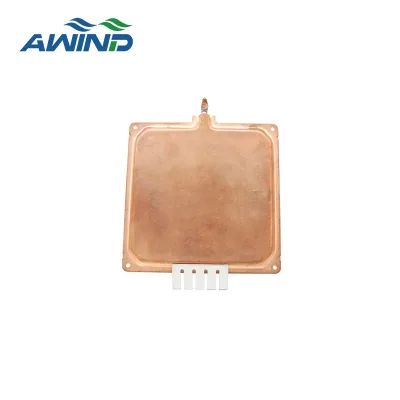
Procuring advanced thermal management solutions requires a nuanced understanding of both traditional conduction methods and emerging vapor chamber technologies. Buyers must distinguish between standard aluminum extrusions and complex hybrid systems that integrate heat pipes with vapor chambers for superior heat dissipation. This guide focuses on the specific attributes observed in current market listings, helping procurement teams navigate the complexities of custom manufacturing, material selection, and supply chain reliability.
The following sections provide a structured approach to evaluating suppliers and products. By focusing on verified data points such as material grades, surface treatments, and delivery timelines, buyers can make informed decisions that align with their technical requirements and budget constraints. This evidence-based methodology ensures that sourcing decisions are grounded in observable facts rather than speculative claims, reducing risk and enhancing long-term supplier relationships.
Product Scope and Observed Listing Signals
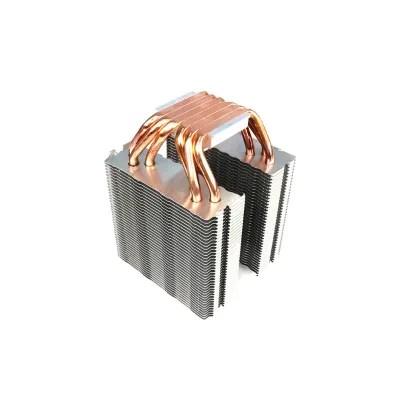
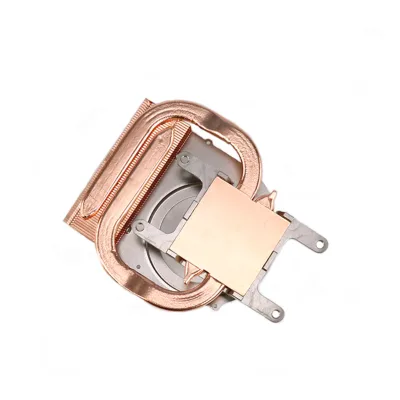
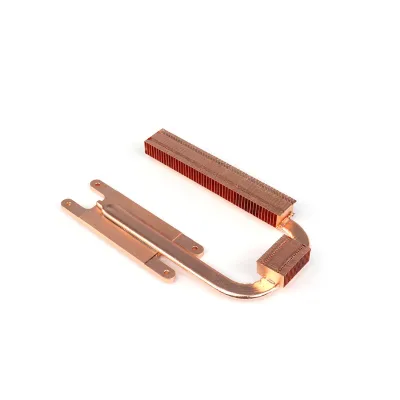
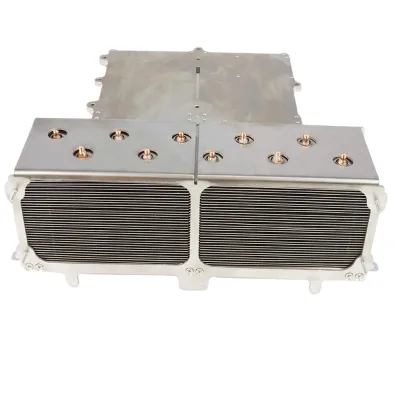
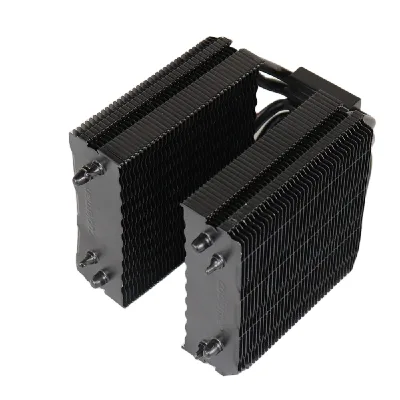
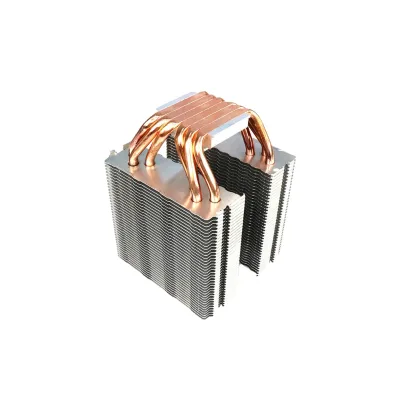
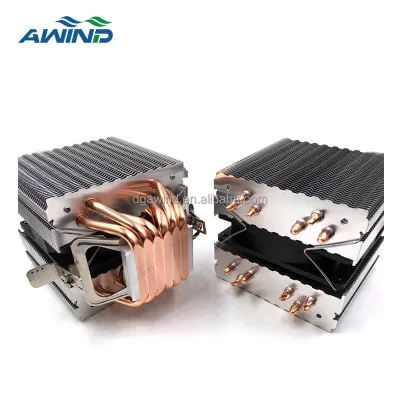
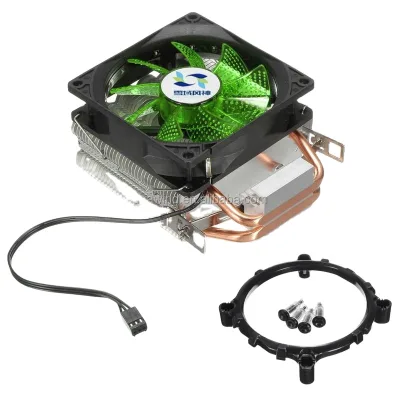
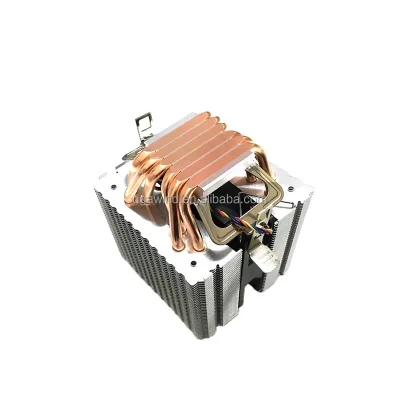
Market listings for custom cooling solutions reveal a diverse range of product configurations, including dual tower designs with multiple heat pipes and flat anodized heat sinks. Observed product names often highlight specific features such as "Custom 6 Heatpipes Dual Tower Liquid Coo" or "anodized led heat sink OEM aluminum shape," indicating a strong emphasis on customization and specialized applications. These signals suggest that suppliers are capable of producing non-standard geometries tailored to specific thermal loads and spatial constraints within electronic devices.
The observed price range spans from $0.01 to $305.54 USD, reflecting the vast difference between simple passive components and complex, multi-part cooling assemblies. Minimum order quantities vary significantly, with some listings requiring as few as 10 pieces for prototyping or small batches, while others demand 200 units or more for production runs. This variability allows buyers to scale their orders according to project phases, from initial design validation to mass production, without being locked into rigid volume commitments.
Technical Specifications to Verify
Technical verification begins with confirming the material composition and structural integrity of the heat sink. Listings indicate the use of aluminum and copper grades, with specific mentions of 6000 Series aluminum and non-alloy copper, which are critical for thermal conductivity and durability. Buyers should verify the thickness of the base material, which ranges from 0.8mm to 2.0mm, and ensure that the surface treatment, such as anodized silver or tin plating, meets the required corrosion resistance and solderability standards for the intended application.
Dimensional accuracy and packaging details are equally important for logistics and integration. Observed specifications include single package sizes like 25x20x30 cm and 10x10x5 cm, with carton quantities of 70 pieces per box. The product weight varies from 0.187kg to 2.500kg gross weight, impacting shipping costs and handling requirements. Buyers must confirm that the custom dimensions, such as 8x8x5cm or other specified sizes, align precisely with their chassis or PCB layouts to avoid assembly issues.
Compliance and Safety Documentation
While specific certification statuses are not universally confirmed in the provided data, buyers should proactively request documentation for ISO 9001 quality management systems, which is listed as a high-confidence attribute for some suppliers. This certification indicates a structured approach to quality control and process consistency, which is essential for maintaining product reliability in thermal management applications. Buyers should also inquire about environmental compliance, such as RoHS and CE standards, to ensure that materials and manufacturing processes meet international regulatory requirements.
Safety and performance documentation should include test results for thermal resistance and heat dissipation capacity. Although specific test data is not provided, buyers should ask for thermal performance curves or heat cooling power ratings, such as the observed 60W rating for certain models. Verifying that the supplier conducts regular quality checks and maintains accurate records of production batches will help ensure that each unit meets the specified thermal and mechanical performance criteria.
Cost Drivers and Commercial Terms
Cost structures are influenced by material choices, manufacturing complexity, and order volume. The use of copper versus aluminum, along with processes like stamping and soldering, directly impacts the unit price. Buyers should analyze the cost breakdown to understand how factors such as surface treatment, custom shaping, and packaging contribute to the final price. Understanding these drivers allows for more effective negotiation and budget planning, especially when balancing performance requirements with cost constraints.
Commercial terms, including payment methods and delivery times, vary among suppliers. Observed payment terms include T/T, E-checking, and Western Union, providing flexibility for different financial arrangements. Delivery times range from 7 days for ready stock or simple items to 20-45 days for custom orders, with some listings indicating 22-30 days. Buyers should align their project timelines with these lead times and consider the impact of shipping methods, such as sea, air, or express, on overall delivery schedules and costs.
Supplier Qualification and Quality Control
Supplier qualification involves assessing their manufacturing capabilities and quality assurance processes. Buyers should verify the supplier's place of origin, with Guangdong, China, being a common hub for electronics manufacturing, and confirm their inventory capacity, which may be limited to 100 pieces for certain items. Understanding the supplier's production capacity and lead time reliability is crucial for ensuring timely delivery and consistent supply, especially for critical components in electronic devices.
Quality control measures should include inspections for dimensional accuracy, surface finish, and material grade. Buyers should request samples for initial evaluation and establish clear acceptance criteria based on the observed specifications, such as tolerance levels of ±1% and specific shape requirements. Regular audits and performance reviews can help maintain high standards and identify any potential issues early in the supply chain, ensuring that the heat sinks meet the required thermal and mechanical performance standards.
Long-Term Procurement Checks
Long-term procurement success depends on establishing strong relationships with reliable suppliers and continuously monitoring performance. Buyers should track key metrics such as on-time delivery rates, defect rates, and responsiveness to technical queries. Regular communication and feedback loops can help identify areas for improvement and foster collaboration, leading to better product designs and more efficient production processes over time.
Supply chain resilience is also critical, especially in the face of potential disruptions. Buyers should diversify their supplier base where possible and maintain safety stock for critical components. By staying informed about market trends, technological advancements, and regulatory changes, buyers can proactively adapt their sourcing strategies to meet evolving demands and ensure the continued availability of high-quality thermal management solutions.
FAQs
What materials are used for custom vapor cooling heat sinks?
Custom vapor cooling heat sinks are typically made from aluminum or copper grades. The product page lists aluminum and copper as available materials, with specific grades like 6000 Series aluminum and non-alloy copper options. These materials support efficient heat dissipation for CPU applications while allowing for custom shapes and sizes.
How long is the delivery time for these cooling systems?
Delivery times vary between 7 days and 45 days depending on the specific order and supplier. Some listings indicate a 7-day lead time, while others specify 20-45 days or 22-30 days. Buyers should confirm the exact timeline with the manufacturer before placing an order to ensure it meets project schedules.
Which minimum order quantity applies to these heat sinks?
Minimum order quantities range from 10 pieces to 200 pieces based on the specific product listing. Some suppliers require 10 pieces, while others set the MOQ at 200 pieces. Buyers must check the specific product page to determine the exact MOQ required for their purchase of custom or standard cooling solutions.
Can I find vapor cooling heat sinks with anodized silver finish?
Yes, anodized silver surface treatment is available for aluminum heat sinks. The product data confirms anodized silver as a surface treatment option for cooling systems. This finish provides durability and aesthetic appeal while maintaining the thermal performance required for effective CPU cooling applications in various computer hardware setups.
What is the maximum heat cooling power for these units?
Some listed vapor cooling heat sinks support a heat cooling power of 60W. This specification indicates the thermal capacity for specific models. Buyers should verify the exact power rating for their intended application, as different models may offer varying levels of thermal performance depending on the design and material composition.
Where are these heat sinks manufactured and shipped from?
These heat sinks are manufactured in Guangdong, China, with some listings simply stating China as the origin. Shipping methods include sea, air, and express delivery options. Buyers can expect products to originate from Chinese factories, with logistics handled through various international shipping channels to reach global destinations.
What payment terms are accepted for these cooling products?
Accepted payment terms include T/T, E-checking, and Western Union. These methods provide flexibility for international buyers purchasing heat sinks. Buyers should confirm the specific payment requirements with the supplier before finalizing transactions to ensure smooth processing and timely delivery of the ordered cooling components.